

Mobile Brake Repair in St. Johns: A Complete Guide
Table of Contents
What Is Mobile Brake Repair and How It Works
Signs Your Brakes Need Immediate Attention
Understanding Mobile Brake Inspection
Brake Squealing and Grinding: What It Means and What to Do
Mobile Brake Pad Replacement: The Process Explained
How to Choose a Reliable Mobile Brake Mechanic
Common Mistakes to Avoid When Booking Mobile Brake Service
Frequently Asked Questions
Last Updated: October 17, 2026
What Is Mobile Brake Repair and How It Works
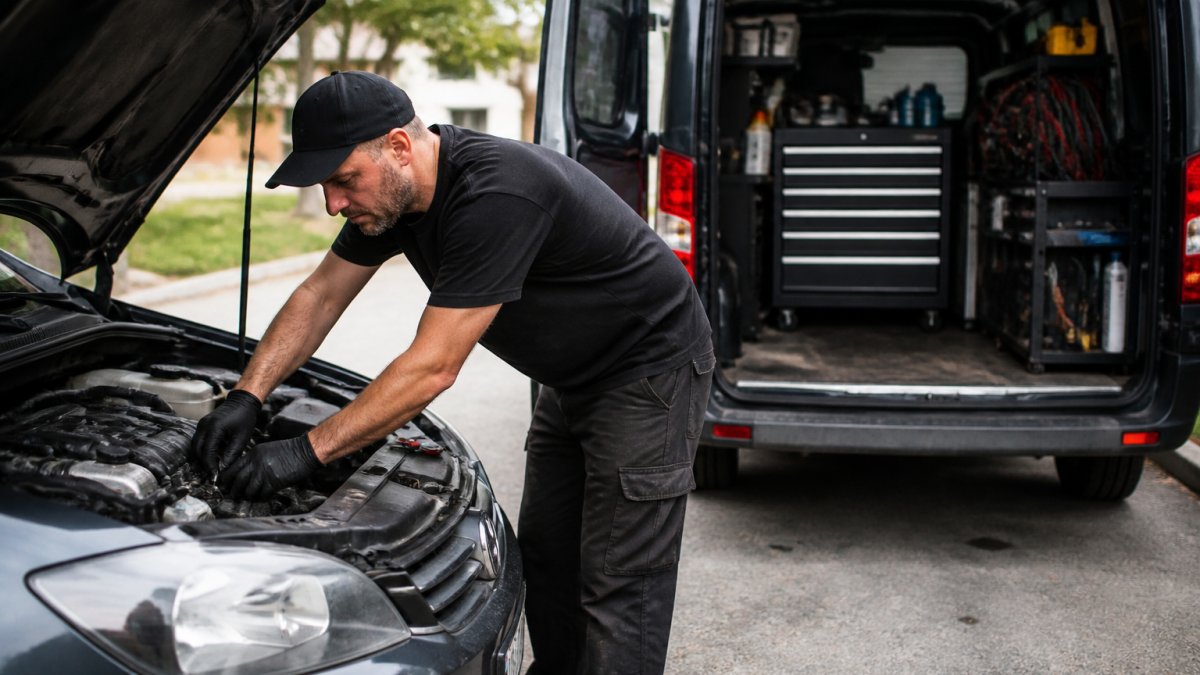
Mobile brake repair is a service that brings professional automotive diagnostics and brake maintenance directly to your location, whether that's your home, office, or driveway. Instead of driving to a traditional shop, a licensed technician arrives with specialized equipment to inspect, diagnose, and repair your braking system on-site.
At Leaders Racing, we understand that your time is valuable. You shouldn't have to arrange transportation, wait in a repair shop, or take time off work just to get your brakes serviced. Mobile brake repair eliminates those hassles while maintaining the same level of professionalism and quality you'd expect from a full-service facility.
Here's what the process typically looks like: you call or schedule online, describe your brake concerns, and we arrive at your preferred time with diagnostic tools and replacement parts. We perform a thorough inspection, explain what we find, provide a transparent estimate, and proceed only with your approval. The entire service, from diagnosis to completion, happens right there.
Pro Tip Ask about parts availability when you schedule.
Signs Your Brakes Need Immediate Attention
Brake problems don't announce themselves politely. They escalate gradually, then suddenly demand urgent action. Recognizing early warning signs can prevent dangerous situations and save you money on repairs.
Soft or spongy brake pedal is one of the most telling signs. When you press the pedal, it should feel firm and responsive. If it sinks toward the floor or feels mushy, you likely have air in the brake lines or low brake fluid. This is not something to ignore, your braking power is compromised.
A brake pedal that requires more pressure than usual suggests worn brake pads or brake fluid contamination. Your brakes should engage smoothly and predictably. If you're pressing harder to stop, the system is degrading.
Visible brake fluid leaks under your vehicle are an emergency. Brake fluid is essential to hydraulic braking. A leak means you could lose braking capability entirely. Don't drive the vehicle except directly to a repair location.
A burning smell during or after braking indicates excessive heat buildup. This happens when brake pads are worn thin or calipers aren't releasing properly. The smell is your warning that friction and temperature are out of control.
Warning Sign | What It Means | Urgency |
Soft/spongy pedal | Air in lines or low fluid | High |
Requires more pressure | Worn pads or contamination | Medium-High |
Visible fluid leak | System failure risk | Critical |
Burning smell | Excessive heat/friction | High |
Dashboard warning light | System malfunction detected | Medium |
When any of these signs appear, mobile brake repair offers a practical advantage: you can get a same-day diagnosis without the hassle of transportation. Leaders Racing responds quickly to brake concerns because we know that brake problems can escalate rapidly.
Understanding Mobile Brake Inspection
A professional mobile brake inspection is not a guessing game. It's a systematic process that identifies exactly what's wrong and what actually needs repair, nothing more, nothing less.
During a mobile brake inspection, the technician begins by listening to your description of the symptoms. Then they perform a visual examination of the brake components visible from outside the wheel, brake fluid condition, hose integrity, and caliper function. They check your brake pedal feel and response. They may perform a test drive to assess braking performance under real conditions.
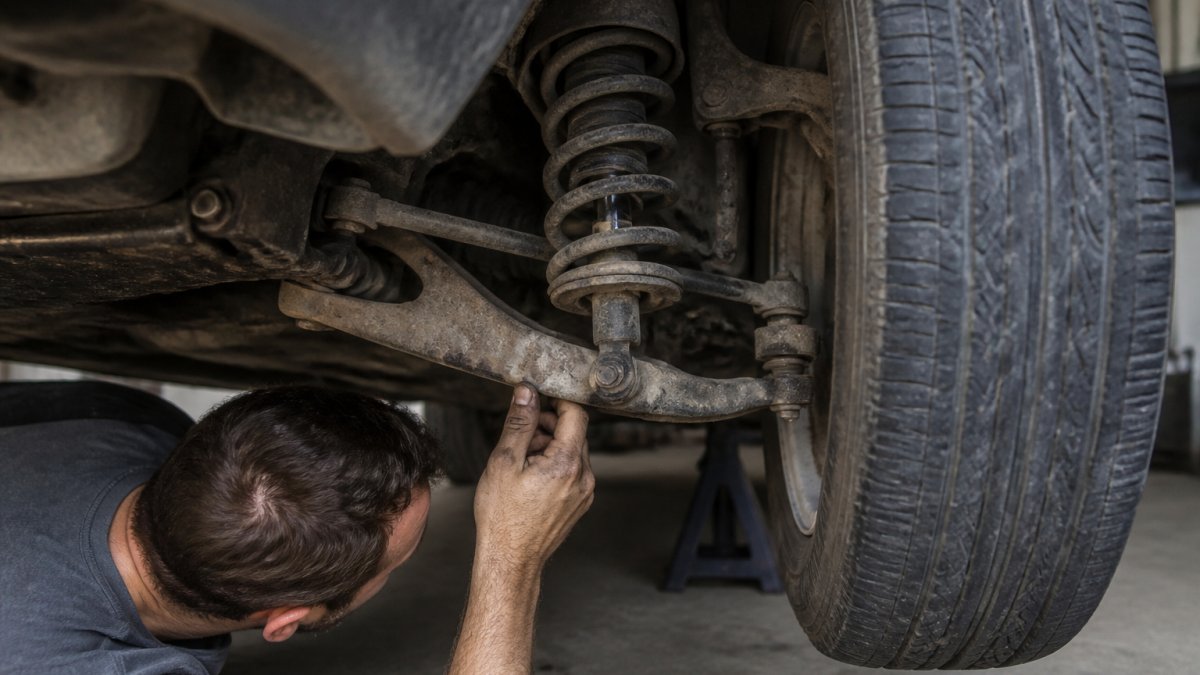
The real diagnostic work happens when they remove the wheels and inspect the brake pads, rotors, calipers, and brake lines directly. This is where worn components, damage, and potential safety issues become visible. A quality inspection documents what they find with photos or notes so you understand the condition of your braking system.
Watch Out Avoid any mobile mechanic who gives you an estimate before physically inspecting your brakes. A diagnosis made without hands-on inspection is a guess, and a guess often leads to unnecessary repairs or missed problems.
What separates a thorough inspection from a rushed one is time and attention to detail. The technician should check brake fluid condition (dark, contaminated fluid indicates a system flush is needed), inspect all four wheels, verify caliper movement, and test the brake warning system. This takes 30-45 minutes for a complete job.
Leaders Racing takes the time to understand your braking system completely. We've seen too many vehicle owners burned by shops that recommend expensive repairs they didn't actually need. A transparent inspection protects you from overcharging and gives you confidence in the repairs we recommend.
Brake Squealing and Grinding: What It Means and What to Do
Brake noise is your vehicle's way of signaling that something in the braking system needs attention. The question is: how urgent is it?
Squealing brakes are often the first warning sign that brake pads are approaching the end of their lifespan. Many brake pads have a built-in wear indicator, a small metal tab that contacts the rotor when pads are worn. This contact produces a high-pitched squeal. It's annoying, but it's intentional: the manufacturer is telling you to replace the pads soon.
Not all squealing requires immediate action. Some brake pads squeal slightly when brakes are cold or wet. This is normal and usually stops once the system warms up. However, if squealing occurs consistently during normal braking, brake pad replacement is overdue.
Grinding brakes are more serious. Grinding indicates that the brake pad material has worn completely away and metal-to-metal contact is occurring between the pad backing and the rotor. This damages both components and reduces braking efficiency. Grinding brakes demand urgent attention, continuing to drive with grinding brakes risks brake failure and safety hazards.
The distinction matters because it determines your timeline. Squealing suggests you should schedule brake service within the next week or two. Grinding means you should not drive the vehicle except to a repair facility.
Key Takeaway Squealing = wear indicator working as designed; schedule service soon. Grinding = metal-to-metal contact; do not delay repair.
At Leaders Racing, we hear this question constantly: "How do I know if it's just noise or a real problem?" The answer is a mobile brake inspection. We come to you, listen to the noise, inspect the pads and rotors, and tell you exactly what's happening and what needs to be done. No guessing. No unnecessary repairs.
Mobile Brake Pad Replacement: The Process Explained
Brake pad replacement is the most common mobile brake service, and for good reason: pads wear predictably and need regular replacement to keep your braking system safe and effective.

The process begins with safely lifting the vehicle. The technician uses jack stands, not just a jack, to secure the vehicle at a safe working height. This is non-negotiable for safety. Once the vehicle is secured, the wheel is removed, exposing the brake components.
Next, the technician removes the brake caliper (the component that squeezes the pads against the rotor). The old pads are unbolted and removed. Before installing new pads, the technician inspects the rotor for damage, scoring, or excessive wear. If the rotor is damaged or worn beyond safe limits, it needs replacement too.
New brake pads are installed and secured. The caliper is reattached and bolted down. The wheel is reinstalled and torqued to the correct specification. Finally, the technician pumps the brake pedal several times to restore proper pedal feel before the vehicle is lowered.
Best For Vehicle owners who want brake service at home without dealership markups or waiting rooms. Mobile brake pad replacement works best for routine maintenance on vehicles with no additional brake system damage.
The advantage of mobile service is convenience and transparency. You can watch the work being done. You see the old pads removed and the new ones installed. You understand exactly what was repaired and why. There's no "hidden" work or surprise charges because everything happens in front of you.
How to Choose a Reliable Mobile Brake Mechanic
Not all mobile mechanics are equal. The difference between a trustworthy technician and an unreliable one often comes down to a few key factors you can verify before you even book an appointment.
Licensing and insurance are non-negotiable. A legitimate mobile mechanic carries a valid Florida automotive repair license and carries liability insurance. Ask to see proof of both.
Transparent pricing is another critical factor. A reliable mechanic provides a written estimate before starting work and doesn't pressure you into additional repairs you didn't ask for. They explain what they found, why it needs repair, and what it costs.
Response time and reliability matter more than you might think. A mechanic who cancels appointments or shows up hours late isn't saving you time, they're wasting it. When you schedule a mobile service, punctuality is part of the value proposition.
Customer reviews tell you how past customers experienced the service. Look for patterns in feedback: Are customers consistently satisfied? Do reviews mention honesty and transparency? Do they mention unexpected charges?
Specialization in brakes is worth prioritizing. A mechanic who focuses on brake systems has deeper expertise than a generalist who handles everything. They've seen more brake problems, understand the nuances of different brake systems, and are more likely to diagnose correctly.
Leaders Racing specializes in brake repair and suspension work. We're not trying to upsell you on engine work or transmission service. We focus on what we know well, and we're transparent about what we find and what actually needs repair.
Common Mistakes to Avoid When Booking Mobile Brake Service
The process of finding and booking mobile brake service seems straightforward, but several common mistakes can lead to frustration, unexpected costs, or poor results.
Booking without verifying credentials is the first mistake. Don't assume that because someone advertises mobile brake repair, they're licensed and insured. A quick call to verify their registration and insurance protects you.
Accepting a verbal estimate instead of a written one creates confusion later. Verbal estimates are easy to forget or misremember. A written estimate, emailed or texted to you, creates clarity and prevents disputes about price.
Scheduling without asking about parts availability can result in delays. If you need same-day service, confirm that parts are available before booking.
Ignoring warning signs about pressure to add repairs is a costly mistake. If a mechanic diagnoses a problem you didn't report and immediately recommends an expensive repair, ask why. Get a second opinion if you're unsure.
Not clarifying what's included in the service leads to surprise charges. Does the estimate include disposal of old brake pads? Does it cover a test drive after repair?
Choosing based solely on price often backfires. The cheapest option isn't always the best value. A mechanic charging slightly more might provide better quality parts, faster service, or more thorough diagnostics. Compare value, not just price.
At Leaders Racing, we've built our reputation on avoiding these pitfalls. We provide written estimates and never pressure customers into unnecessary repairs. Our commitment to honesty and transparency is why customers trust us for their brake service needs.
Brake problems don't wait for your schedule, but they don't have to disrupt your life either. We specialize in brake inspection, pad replacement, and rotor service, and we stand behind every repair with integrity. Contact us today to schedule your mobile brake inspection and experience the convenience of on-site automotive repair.
Frequently Asked Questions
Can a mobile mechanic replace brake pads at my home?
Yes. Mobile mechanics can perform brake pad replacement at your home or office, provided you have a safe, level surface and adequate lighting. The service is performed on-site without requiring you to transport your vehicle. Most mobile brake repair appointments take 1-2 hours for standard brake pad replacement, depending on your vehicle type and the condition of your brake system.
How do I know if my brakes need immediate attention?
Stop driving immediately if you experience a soft or spongy brake pedal, brake fluid leaks, the brake warning light illuminates, or you hear grinding sounds. These indicate serious brake problems that compromise safety. Squealing, reduced stopping power, or a vibrating pedal also warrant prompt inspection. Contact a mobile brake repair service to diagnose the issue before driving further.
What should I ask before booking a mobile brake mechanic?
Ask about licensing, insurance coverage, diagnostic fees, and whether estimates are free or charged. Confirm their response time, service area coverage, and availability for same-day or after-hours appointments. Request references or customer reviews. Ask if they provide a written estimate before beginning repairs and their warranty on parts and labor. Verify they use quality parts and won't recommend unnecessary work.
How much does a mobile brake inspection cost?
Mobile brake inspection costs vary by provider. Ask about pricing upfront and whether the inspection fee is waived if you book service with them, ensuring transparency before committing.
Contact Us
Comments